

Photos and Story by Lena Hensley
The Eatonton Messenger
More than 120 visitors from 24 Georgia cities gathered Aug. 13, at The Plaza Arts Center in Eatonton for the August Adventure, an event centered on herbs and native Georgia plants conducted by the Old School History Museum (OSHM), as part of its Sunday at the Museum lecture series.
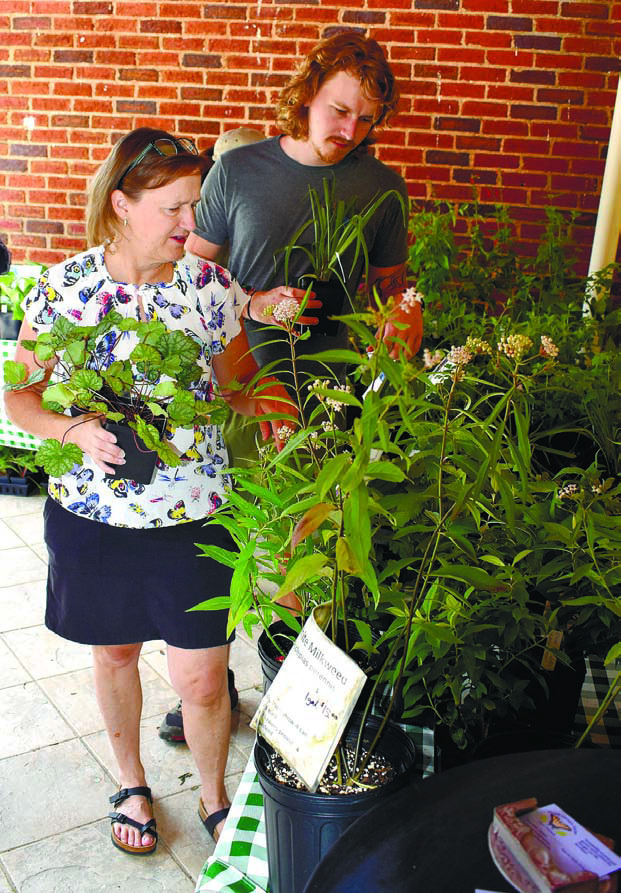
This presentation, however, wasn’t limited by a lecture followed by the usual questions-and-answers and socializing while enjoying snacks. Instead, it started outdoors with the sale of plants that speaker Katy Ross had brought from her nursery. The event then continued with a traditional lecture, after which the visitors could engage in several hands-on activities, both for children and adults, including a museum scavenger hunt, as well as enjoying refreshments and food, all of which contained herbs.
“Great information,” visitor Stanley Lines said. “The lecture was very good. More knowledge than I knew was there. Food was great, too.”
Those with a hunger for more knowledge about the plants and pollinators also could visit The Butterfly and Blooms garden, just north of Eatonton’s downtown area, that stayed open late for the occasion.
“It’s a full afternoon of fun things to do,” OSHM Director Sandra Rosseter said. “Most of the activities were designed for the little ones, (but) somebody made the comment that the grownups love the activities as much as the kids do. Today is the day to be a kid.”
According to Rosseter, the entire team of OSHM docents prepared for weeks in advance of the event, researching the activities online, preparing the necessary supplies, and making certain cooked food and refreshments were ready to go. On the day of the event, approximately 20 OSHM docents were on hand to help with activities and give directions.
Although the event most definitely was a team effort, it was OSHM Director of Education Mary Air who organized and led the team throughout the program.
“I came up with the activities,” Air said. “Nancy Marshall helped me put it all together and get it organized.”
In one activity called ‘Let’s Meet Herb,’ Air explained children taking part would be taught about each plant and then using a workbook filled with fun facts about herbs, they would choose a plant and answer questions. Segments included ‘Test your Knowledge,’ a word bank in which they filled in answers based on what they learned through the presentation, word search puzzles and a coloring page.
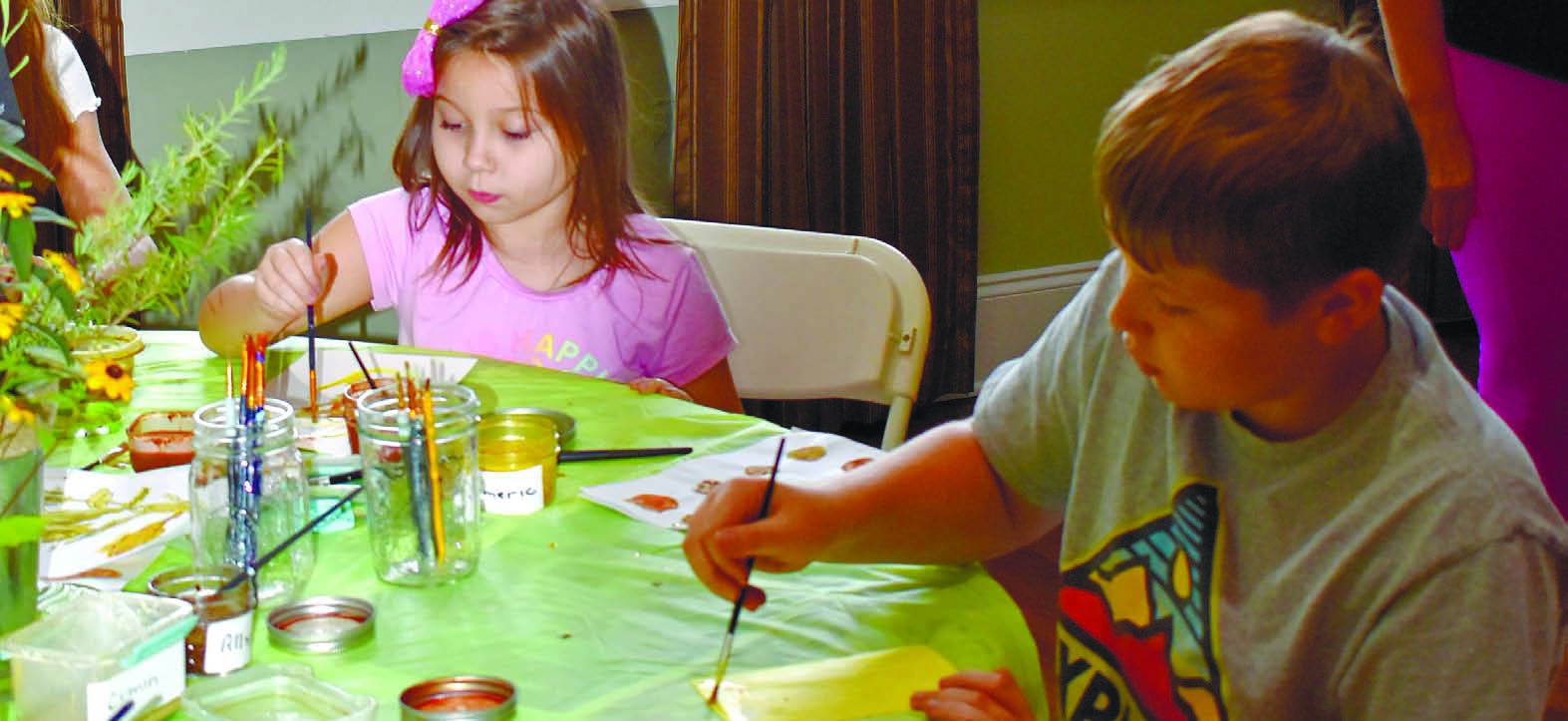
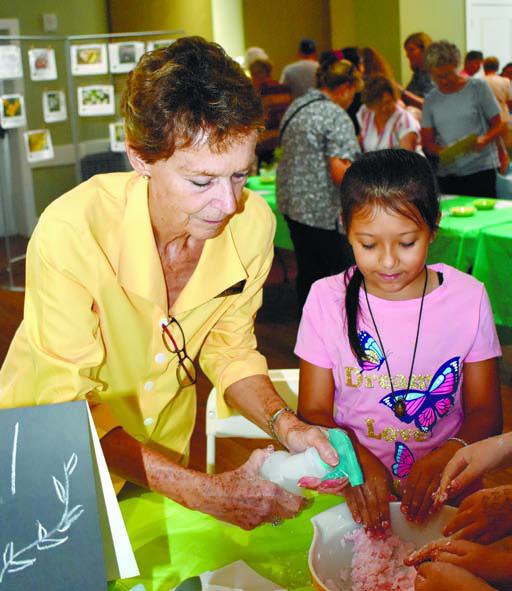
Other activities for children included coloring with paints made from spices, making bath bombs, making ornaments with plant imprints on them out of air-dry clay, and even a planting station, where they could plant a real herb in a pot.
Ross, a native of Georgia, has more than 20-years experience working in the plant and nursery industry. The owner of Night Song Native Plant Nursery in Canton, Ross holds an associate degree in Environmental Horticulture, a bachelor’s in Psychology, and a master’s degree in Education. She also is a Georgia Certified Plant Professional.
“I was born interested in plants,” she said, recalling that one of her earliest plant-related memories was learning about “butterfly milkweed” as she visited her grandmother, who had some in her yard.
“I’ve always loved plants. Everything we grow [in our nursery] is native to Georgia and the Southeast,” Ross continued. “As we continue to expand from the cities into the suburbs, it’s important to replace the plants that we remove, to put back the plants that native insects can recognize as the food source. With non-native plants, insects can’t reproduce; then you don’t have birds, then mammals. It’s all about the food web.”
In her lecture, Ross spoke about plants native and commonly found in Georgia, their medicinal properties and their histories.
“When we look at the landscape around, we often see plants with medicinal properties, and we don’t even realize it,” she said. However, she also cautioned, “When taking anything internally, always do your research.”
According to Ross, slave healers were sometimes considered a potential threat because they knew how to make poisons out of herbs. Laws were even passed in the 1740s to prevent the practice of herbal medicine by slave healers on anyone except to other slaves, their own family or to “those who allow themselves to be treated.”
However, if those who allowed treatment happened to die, whether from treatment or not, the practitioner could be put to death by hanging.
She explained much botanical knowledge has been lost over centuries due to the fear of witchcraft. The 19th century, however, became a turning point in the knowledge and use of medicinal plants with the upgrading of chemical methods and discovery of salicin, tannins, saponoids, oils, vitamins and hormones, Ross added.
During the Civil War, she said, many native plants such as sassafras, partridgeberry, tulip trees, and the leaves and bark of white oak, provided field surgeons with remedies to treat wounds of wounded soldiers. Native people taught them that these plants could be used to staunch bleeding, ward off infection, reduce fever, help set broken bones and relieve pain.
“It’s a very motivating event for us,” visitor Alice Lincoln said following the presentation. “My husband and I love herbs. We think that it’s great that you can cook and eat them. It’s a natural product. I think they should have more events like this.”