
Mrs. Eatonton, Gardenerd loves a good novel. Something with a historical storyline, clever twists and turns, cliffhanger chapters that don’t resolve until many pages later, always finely crafted by the author.
Ms. Georgia is an excellent finder of good reads. I get lost most often in tattered reference books on gardening, far less exciting in the literary sense, but some of the older books can be quite poetic.
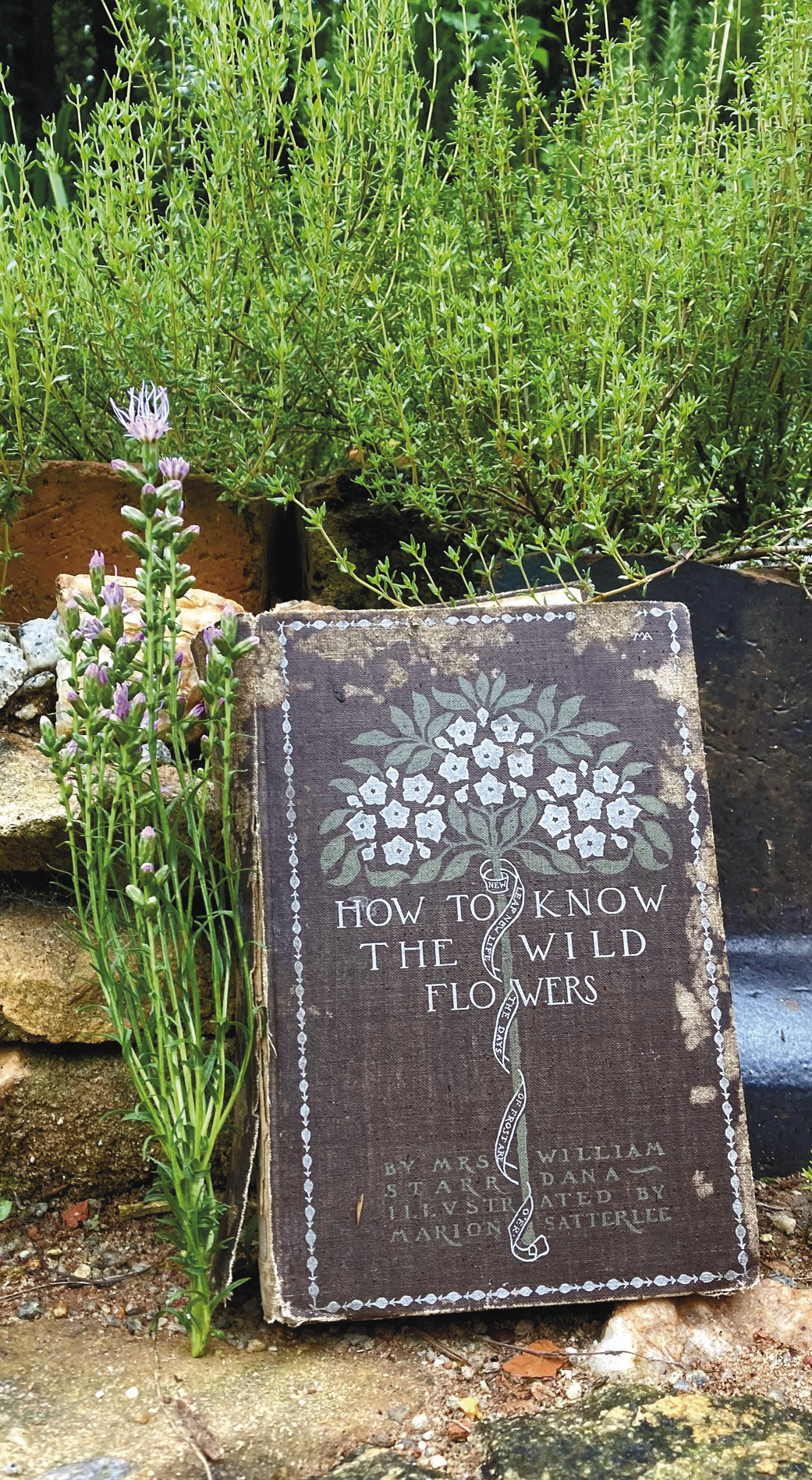
One of my favorites is a dilapidated copy of How to Know the Wild Flowers, by Mrs. William Starr Dana, a fine book organized by flower color in order to minimize the time spent identifying the mystery plant at hand. Though not comprehensive, it remains effective as a quick reference to determine whether a wild plant should be weeded or cultivated.
When it was first published in 1893, interest in gardening as a form of recreation was exploding in the United States amongst the common folk—much as it is again today.
To weed or to cultivate?
A loose definition of a weed is a plant that is growing in the wrong place.
However, that same plant, given the correct placement, can flourish and be balanced and beautiful in the context of the greater garden if it is identified and understood.
I don’t laud the virtues of the smartphone regularly, most often wishing I had never seen the thing, but in the hand of the modern gardener it has become an amazingly powerful tool for plant identification. There are a number of AI-powered smartphone apps available to do so, some even going as far as identifying insects, their damage, and plant diseases.
I rely on the app “Picture This” almost daily when I am weeding a new area.
With a click you can snap a photo of that glaucous, low-growing, white-flowered vine that slithers into your flowerbeds overnight, put a name to it (Virginia buttonweed), and read how to best get rid of it! Not quite as romantic as thumbing through a well-worn copy of Mrs. William Starr Dana’s book, but so very accurate and comprehensive.
If you find yourself with a desire to clear back an overgrown area, it is worthwhile to use an identification app to figure out what’s in there first.
Perhaps it can be moved or incorporated into your planting scheme? We have countless threatened native plants that often get mistaken for weeds; Symphyotrichum georgianum, the native Georgia aster, is a great example of this.
The native habitat of the Piedmont prairie plants is just about gone in Putnam County, with some of the native grasses and sedges particularly at risk of being lost completely. To preserve these plants in your garden may be the bridge required for reintroducing them into wild spaces one day.
Until next time, Your Eatonton Gardenerd This week’s jobs: Sow more carrots, radishes, and beets – Plant fall vegetable starts – Propagate figs from cuttings.
Hey Gardenerds! Send tips, jeers, and questions to: garden.nerd.31024@gmail.com
“I have plants, bushes, etc. growing that I believe sneaked into my yard after dark. Help! Someone come identify them!”
—Georgia Benjamin-Smith