
The sixth and final installment of The Southern Circuit Film Tour passed through The Plaza Arts Center last Wednesday night with the showing of “North Putnam,” a film about a small, rural town in mid-Indiana and its high school, which in some ways may seem familiar to those in its Georgia namesake counterpart.
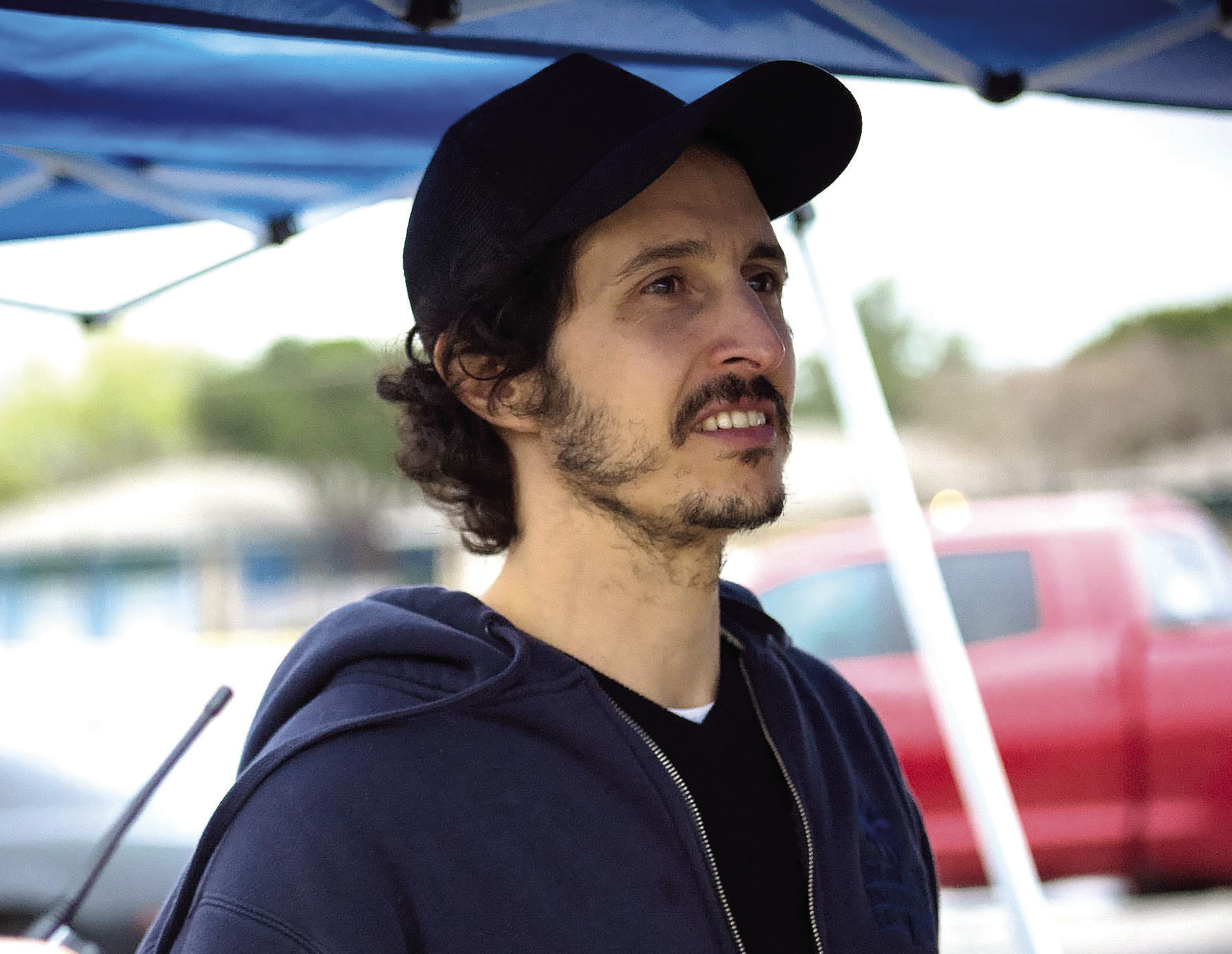
Directed and filmed almost single-handedly by Joel Fendelman, who was on hand for a brief Q&A following the Eatonton showing, “North Putnam” depicts the 2022-23 school year at Putnam High School, about an hour’s drive west of Indianapolis.
Fendelman, who hails from Miami, said the Central Indiana school came to his attention through a professor he knows at DePauw University, just south of the high school.
The professor, Beth Hawkins, became one of the film’s producers after explaining to Fendelman that she wanted to help make a documentary about the high school, which she considered very forward-thinking and caring because of the ways the teachers and staff supported and encouraged students.
Fendelman admitted he had never set foot in Indiana before, so everything was all new to him: stepping into a rural setting and learning about farm life, encroaching development, changing priorities, small-town politics, and how they all interacted.
“It was really interesting to me because I noticed how much bias I had against the Midwest and in a very partisan county,” Fendelman admitted during a post-showing talk with attendees at The Plaza. “So, I wanted to challenge those perspectives on it. And that took about a year and a half to go there and show up and get to learn about a community that was not necessarily what I thought it was.”
Through a 'fly-on-the-wall' style of filming, “North Putnam” presented typical small-town school activities, free from direct questioning or influence from the filmmaker or any narration. Viewers were left free to interpret what was presented as they experienced it, much like life itself.
“North Putnam” did not limit itself strictly to school-related issues, either, venturing into the streets, homes, the city council, and even the local prison to address a former student who had taken a couple of bad turns but appeared determined to get back on track.
However, by the end of the film, his direction seemed to be uncertain.
“This school, they call it a corporation, but it’s a public school system, there’s something special about it,” Fendelman said. “First, they allowed us to film it, which is unique in its own right. But the way this community cares about the students, the way they’re stepping into being progressive, having two teachers teach a classroom, the way they’re aware of mental health, there is something special about this school and what it creates in the administrators and teachers and what they care about.”
Significantly, Fendelman added that the school system superintendent and high school principal depicted in the film, both obviously progressive-minded, have since been forced out of their positions, and he is unsure of what changes may have followed.
Fendelman’s latest project was a documentary about sexual abuse in elite New England boarding schools, and next, he said, he plans to feature a spiritual advisor to death-row inmates.